
Found these two dancing at Jerry’s art shop. via Instagram


Yesterday, my wife and I went to the Regal Crown 14 cinemas at Union Square to watch Jurassic World. We showed up at 3 PM for a 3:30 PM showing of the movie. Jurassic World had been showing for a week already, so we didn’t really expect there to be as much of a crowd as there was. There also weren’t that many kids in the audience, which I found strange. Wasn’t Jurassic World supposed to be a family summer flick? When I went into this film I was pretty hyped. I was thinking about the way the original film made me feel. The sequels were decent, but there was something magic about that first movie and I hoped that this follow-up would bring back that magic. In short, it didn’t. It was a different sort of movie from what I was expecting. It wasn’t a bad movie by any means and it’s totally worth seeing because it’s very entertaining, but it didn’t live up to the legacy of the first movie.
In retrospect, these two trailers tell you pretty much the whole plot of the movie and include most of the good scenes. The earlier trailer had more of the feel of the original movie, but the second trailer better reflects the overall tone of the movie itself: light comedy with thrills and a bit of action.
Jurassic World follows the basic formula of the original film: two kids visiting the park when something goes tragically wrong and dinosaurs get loose. There was even a “steal the embryos” scene like there was in the original, presumably to set the story up for another sequel. Someone is always trying to steal the embryos in Jurassic Park movies, though. The overall feel of the movie is less about the magic of dinosaurs, fear and human survival, but is rather more about the dangers of genetically modified organisms. It made me think of the fight against GMOs in food: “Look, this indomitasaurus thing is like the GMO corn you’re producing, Monsanto. It sounds great, but it’s destroying the environment and it’s going to destroy us too if we don’t stop it now.”
The movie is post-modern enough to reference itself and reference the audience watching the movie, which provides opportunities for a few laughs. There are also a lot of casually placed stereotypical characters. The guy in charge of the park comes to mind, as does the guy that tries to do a military takeover. The main adult characters are pretty cliche too, really. There is more fast thrill than fear, more special-effect wow than story development and tension. It is edgy and funny, but it doesn’t have the same wow factor as the original film, which this film comments on itself. It used to be enough to just see dinosaurs, but now, one character explains, kids (the audience) see dinosaurs the same way they see llamas in a petting zoo. Nothing special, move along. So, for the visitors in the park (and the theater), they create something new to try to catch our attention, but it doesn’t feel like Jurassic Park.
I didn’t want cheap thrills and laughs, or something that felt like the Austin Powers version of Jurassic Park; I wanted the same edge-of-my-seat excitement I felt when I watched the original. It’s like there’s a new formula in town for movie makers. If you can’t write a real plot and make your audience empathize with your characters, throw in some bad jokes and stereotypes, make your audience laugh at itself, self-criticize the movie within the movie to deflect criticism, and then maybe you’ll win. San Andreas used the same tactics, most notably with that whole American flag magically appearing on the bridge like the flag in the national anthem being “still there” even though bombs were bursting in air, and by golly we’re going to rebuild America because that’s what Americans do! It’s to prevent people from taking the film too seriously and essentially lowers ones expectations. How do you criticize a film that doesn’t take itself seriously?
GMO dinosaurs aren’t the same as the magic of the “real thing”. Having one giant dinosaur roaming around, mostly in unpopulated areas, mostly doing things off-screen, doesn’t create that same sense of fear and tension that a pack of deadly, primordial velociraptors stalking kids in a kitchen does. It’s GMO Cornasaurus (comes with moon roof, hybrid engine, and reduced calorie usage) vs the fear and terror of a primordial threat that is born and bred to kill. The nature of velociraptors as deadly killing machines acting on instinct is watered down in this film to the point they’re no longer seen as threats and then, instead, are turned into heroes in the story, along with another classic dinosaur. The feeling one is left with is that these velociraptors could have been replaced in the film by a pack of lions bred in captivity without losing much, if anything, in terms of plot and storyline. What was the purpose of that? Just to have a way to incorporate a critique of the US military industrial complex? Couldn’t that have been done more subtly, or better yet, been left out?
Also, the relationship between the kids in this new film, two brothers, was somehow unconvincing, but I don’t think it was the acting. It was more the storyline itself. There wasn’t enough time devoted to character development to make me care about anyone in the film and anything serious was always laughed off as a joke (“all my friends’ parents are divorced”). The only time I felt sad was in a scene with a dying brontosaurus, not because I felt emotionally connecting to the dinosaur per se, but because of the use of the scene as a commentary on killing for sport rather than necessity. It reminded me of the evils that man is capable of perpetrating and played into the movie’s overall theme of respecting nature.
Jurassic World is essentially an old story repackaged in contemporary issues, but I don’t know that it was really all necessary. Do we need a commentary on God and nature and the evils of man wrapped up in a classic story like Jurassic Park? Sure, there is some of that in the original, but that movie focuses more on the people. It is about tension and fear and survival. This movie instead focuses on cheap thrills, a few laughs, and a moral message.
Bottom line:
Was it worth seeing? Sure. I loved the cheap thrills and laughs and its a great way to be entertained for two hours. Don’t expect to be tense, or feel any fear, or connect to deeply with the characters. It is truly popcorn entertainment that will leave you laughing and feeling good about your afternoon. I have absolutely no regrets about watching it, but it doesn’t live up to the legacy of the original.


I recently came across the blog post of a friend in Rome who has been playing Ingress consistently for about a year and recently reached level 16. I remembered trying to play Ingress when it was first released but I didn’t have a phone that was capable of it, and my tablet at the time was wifi only, so I gave up. After reading my friend’s blog post, I checked to see if Ingress had been released on iOS and found that it had, last year. So, I got it right away.
The app is kind of buggy. Using the Comm often causes the app to lock up entirely, which is bizarre, since that doesn’t happen with a 3rd party app that accesses the web-based version of the Intel map and Comm. Maybe Google wants people to get interested in Ingress and then go buy an Android phone that it will work better on? I don’t know, but I’ll just wait and hope the bugs are ironed out.
Anyway, figuring things out was a little difficult, but that’s mostly my own fault. There are training modules that you can use to get a sense of what you’re supposed to do be doing, but I just threw myself into it. I was lucky enough to find a few neutral portals in my area that I could take over, surprisingly on my own street. When my name started popping up on the map, players from both factions welcomed me to the game and the neighborhood and started sending me tips on how to improve my level and gameplay. I quickly found out about portal keys, fields and Mind Units.
My mission? Turn the neighborhood blue by capturing and maintaining portals (the things that look like sun flares on the scanner image above) and fight off the green team, which is working for aliens who want to destroy human society as we know it, which may not be a completely bad thing, given people’s propensity for violence and stupidity, but what about art and culture? What about self-determination and the preservation of a uniquely human history? What about beer? So, yeah, I’m working for the Resistance.
I woke to the sound of rain and thunder and saw flashes of lightning. I love rain and storms in general and I especially love the cool air coming in my window right now. The heat has been wretched the last few days. I’m going to enjoy the lower temperature for the rest of the day.
Last year, we went to the 50th annual Celebrate Israel parade and it was only later that we found out that the Philippines Independence Day parade had been held at the same time, a few blocks away. We told ourselves that this year we would try to make it to both, which wouldn’t be as hard since they were held on different days this time. We almost did! Unfortunately, when we were getting ready for bed on Saturday night, “Man on Fire” with Denzel Washington started playing on the TV, and before we knew it, we were still up at 3 AM, drinking Stella Artois and eating Salt & Vinegar Kettle chips. So, we didn’t make it out of the house early enough to get downtown and see the parade. Maybe next year? There was a cultural festival after the parade, though, near Madison Square Park, so we checked that out.
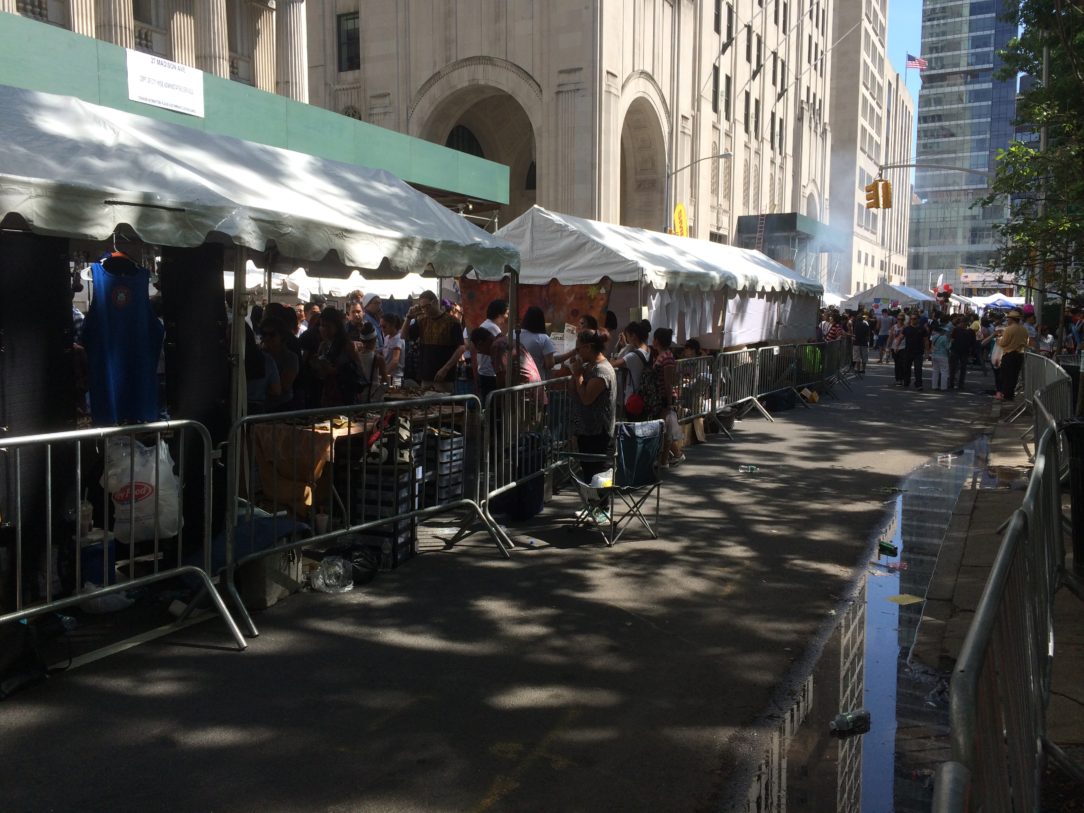
The tents for the food stalls, advertisers, recruiters, and organizers were set up on Madison Avenue, next to the park. It was very, very tight. About half of the road was sectioned off by barricades, which I assume was meant for emergency vehicles, though I question the logic there. The restricted walking space was so packed with people that I’m surprised it didn’t cause an emergency of some sort. I was surprised by the number of people attending the fair in general. There were tour buses that looked to have been chartered by groups of Filpinos from nearby towns or cities. The lines were long for everything, including the port-a-potties on the northeast corner. There was a constant flow of people walking between the stalls and the park.

We showed up hungry and the smell of grilling barbecue was everywhere. I was more than a little annoyed, having to fight through that crowd and then stand in a huddle in front of the food vendors, trying to catch someone’s attention to place an order, only to find out there was apparently only one stick of chicken barbecue left at the fair. I guess it’s popular! Anyhow, I bought that, some pancit (a vegetable stir fry type of dry noodle dish) and a few pieces of turon (banana wrapped in a pastry dough and fried in brown sugar, I think). We managed to find a bench in the shade to sit on in the park and once we were full, we were able to relax and take in the sights.


Madison Square Park looks great! There’s some sort of art installation with hanging glass set up throughout the park that reflected the light and people. It isn’t really clear in the pictures I took. I think it was a little overcast at the time. The breeze was cool and it wasn’t too hot or humid. It’s been a really cool start to summer this year. Not that I’m complaining. I’m sure it’ll be too hot soon enough. There were plenty of people. Kids were playing, families were hanging out, the muffled sound of performers at the Filipino cultural fair was booming over loudspeakers on the street behind us. It was great. I kind of wish I had a book with me, so I could lean back and sit there for a few hours. But, then again, the park didn’t have a public bathroom (5 dirty port-a-potties don’t count) or my coffee pot. So, after wandering around for a while and doing some people watching, we headed home to relax.


After putting off going to the Shake Shack for a … well, a few years, we finally made the trip. We never went before, because it just wasn’t convenient. There was never one near where we lived. I’m still surprised that they don’t have a location near Union Square. I’d always heard good things about the place, though, so when we decided to take a trip to the Met, I suggested we eat at the Shake Shack a few blocks away on 86th street between 3rd Ave and Lexington.
I was a little surprised by the prices, but after we finished eating, we felt like it was worth it. The fries really weren’t anything special, but the burger and shake were exceptional. I had a Shackburger and my wife had the portobello mushroom burger. She said that was also delicious. I was a little worried about the “special sauce” on the burger, but it really complemented the taste. The peanut butter shake was thick and tasty, but it’s heavy so we split a small. The best part is that it tasted real. The peanut butter shake especially, but all of the food as a whole. Maybe not the fries. But, in general, it felt like I was at a family barbecue eating a real burger off the grill.
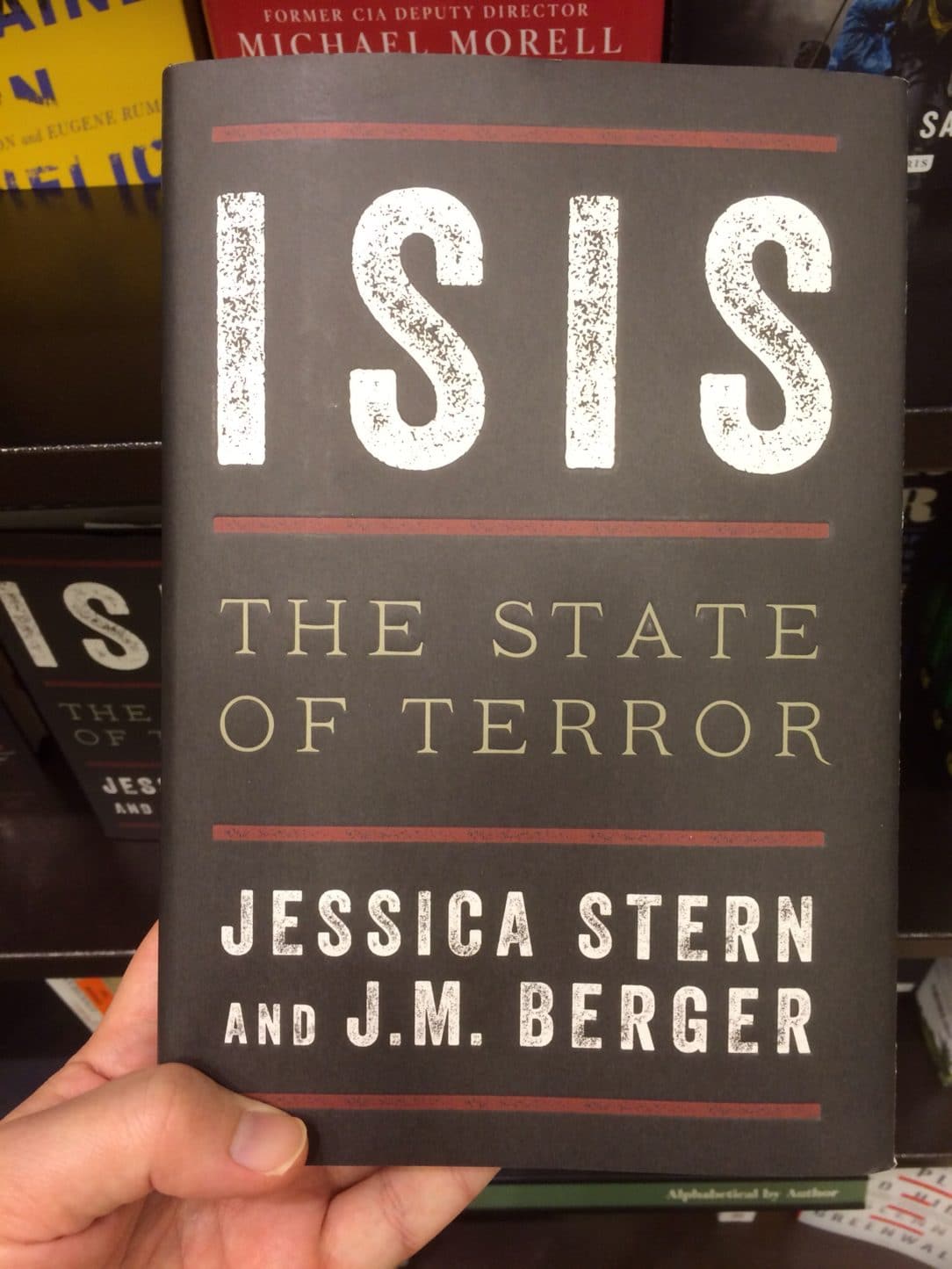
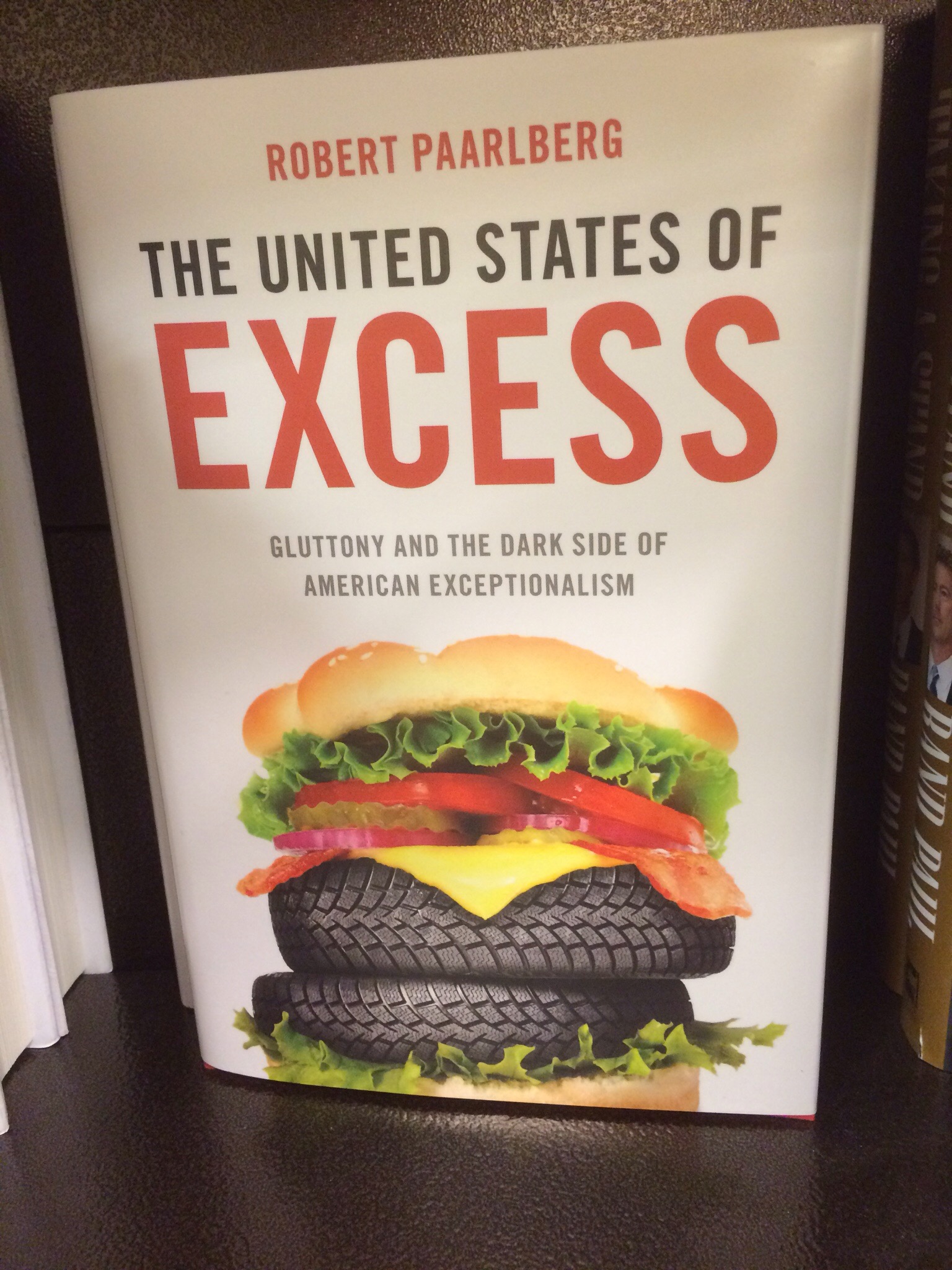
After eating, we went into the Barnes & Noble next door to take a look around. We’re both suckers for book stores. Even if we don’t plan on buying anything, we love to browse. We were surprised by how big the place is. It’s all underground in two basement levels. We never quite managed to leave and before we realized it, it was 8 pm and we were ready to head home. I wound up taking pictures of some book covers from the current events section to pick up later, when (or if) I ever get through the books I already have lined up to read. 4 years of college really put a dent in my pleasure reading.

 I was looking at Dapper a few days ago and I was thinking about how she and Thumper have been with us through the years. They’re almost 7 now. We’ve been married for almost 7 years as well. They’re still constant sources of amusement and happiness.
Cheesecake is new and a pain in the ass because he’s always sick and he over-eats constantly, but he’s very affectionate otherwise.
 Bradley's Old Fashioned Weblog